

PCOS Nutrition: A Complete Guide to Managing Symptoms Through Proper Diet and Nutrition
If you’re an Indian woman struggling with Polycystic Ovary Syndrome (PCOS), you’re definitely not alone. In fact, about 1 in 10 women in India are affected by this condition, making it one of the most common hormonal disorders among women today. While PCOS can feel overwhelming, the good news is that proper nutrition and dietary management can significantly reduce your symptoms and help you regain control of your health.
At Exermend, we understand the unique challenges that come with managing PCOS, especially within the Indian context where our food habits and lifestyle patterns are distinctly different from Western recommendations. This comprehensive guide will walk you through everything you need to know about PCOS nutrition, practical dietary strategies, and how targeted supplementation can support your journey toward better health.
Understanding PCOS and Its Connection to Nutrition
Before we dive into what you should eat, it’s important to understand why nutrition matters so much when it comes to PCOS. Most women with PCOS experience insulin resistance—a condition where your body produces insulin, but your cells don’t respond to it effectively. This causes insulin to accumulate in your bloodstream, which then triggers your ovaries to produce excess androgens (male hormones). This hormonal imbalance leads to the classic PCOS symptoms: irregular periods, weight gain, acne, excessive hair growth, and difficulty conceiving.
The connection here is critical: what you eat directly affects your insulin levels. When you consume foods that spike your blood sugar rapidly, your pancreas has to work overtime to produce more insulin. Over time, this makes insulin resistance worse. However, by choosing foods that release glucose slowly into your bloodstream, you can help your body manage insulin levels more effectively, reduce inflammation, and gradually improve your PCOS symptoms.
The Glycemic Index: Your Best Friend in PCOS Management
One of the most important concepts in managing PCOS through nutrition is understanding the Glycemic Index (GI). The GI measures how quickly a food raises your blood sugar levels. Foods with a low GI (55 or below) release glucose slowly, keeping your blood sugar stable and reducing the demand on your pancreas to produce excessive insulin.
The excellent news for Indian women is that our traditional diet is naturally rich in low-GI foods. Here are some staple Indian foods that are perfect for PCOS management:
Pulses and Legumes:
- Chana Dal (split chickpeas) has a GI of just 8, making it one of the lowest GI foods available
- Moong Dal (mung beans) has a GI of 38-47 and is incredibly versatile
- Rajma (kidney beans) with a GI of 22-25 is perfect for adding to rice dishes
- Masoor Dal (red lentils) are quick to cook and have a low GI of 39-46
- Black Chickpeas (Kala Chana) have a GI of 28-32 and are protein powerhouses
Whole Grains:
- Brown Rice instead of white rice is a simple swap that makes a big difference
- Bajra and Jowar (millet rotis) are traditional Indian grains with excellent nutritional profiles
- Whole Wheat for your rotis and chapatis
- Quinoa is becoming increasingly available and offers complete protein
Vegetables:
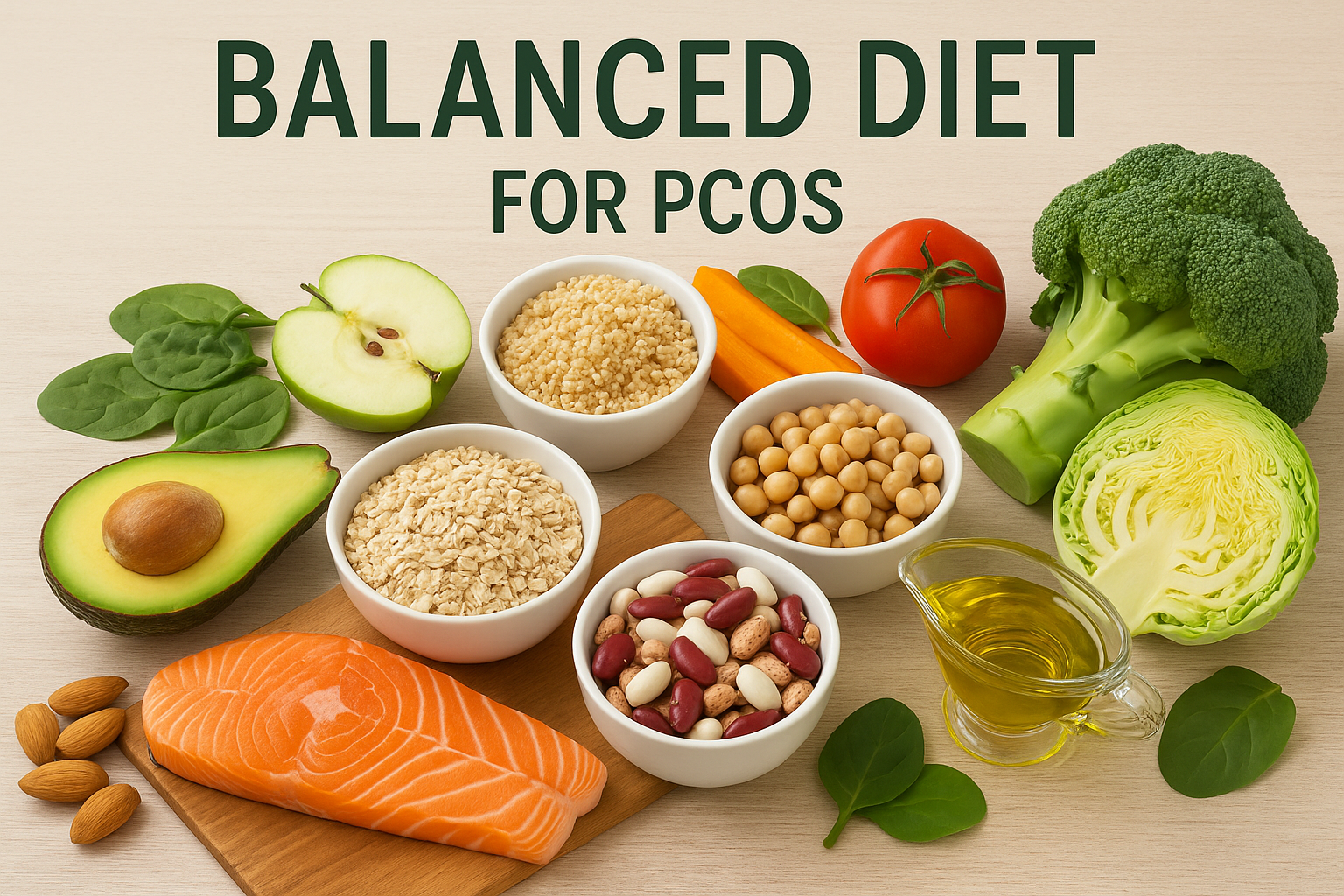
Focus on non-starchy vegetables like spinach, broccoli, capsicum, bitter gourd, bottle gourd, okra, and leafy greens. These are packed with fiber, vitamins, and minerals while having minimal impact on blood sugar levels.
Building Your PCOS Nutrition Strategy
Managing PCOS isn’t about restrictive dieting or counting every calorie. Instead, it’s about building sustainable eating patterns that support your hormonal health. Here’s a practical approach:
Prioritize Protein at Every Meal
Protein is your ally when managing PCOS. It helps regulate blood sugar levels, promotes satiety (keeping you fuller longer), and supports the synthesis of hormones. Aim to include protein at every meal—whether it’s eggs, chicken, fish, tofu, or plant-based sources like dals and paneer.
Indian options are abundant: eggs cooked any way you like, tandoori chicken, grilled fish, paneer prepared with minimal oil, or simply having an extra serving of dal with your rice. A good starting point is to include about 25-30 grams of protein per meal.
Don’t Fear Healthy Fats
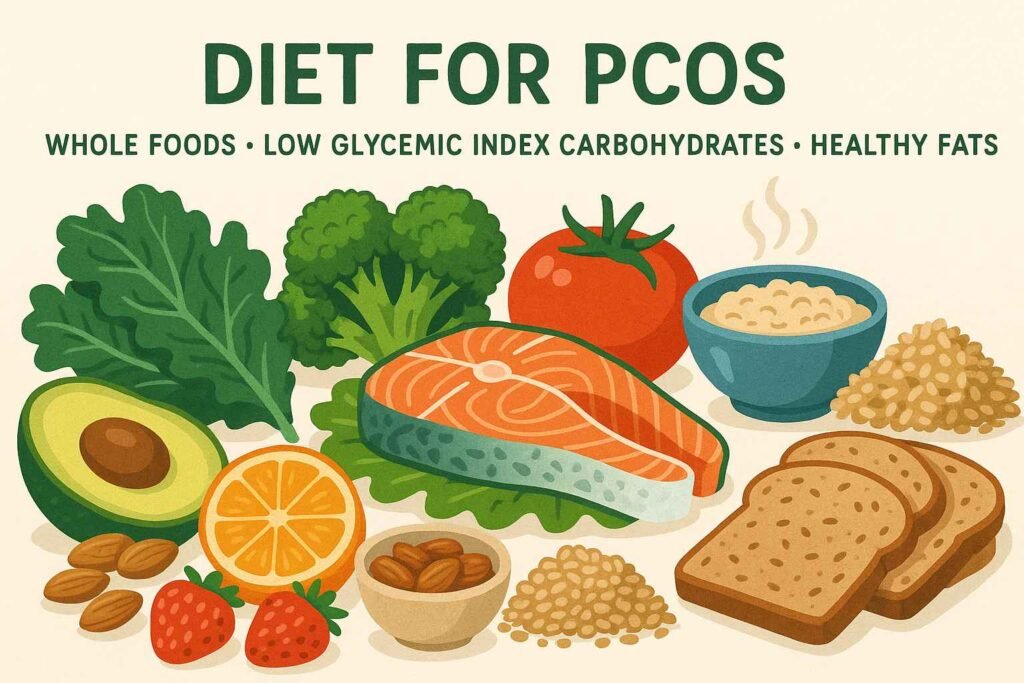
Contrary to old dietary advice, healthy fats are actually important for PCOS management. Omega-3 fatty acids, in particular, have anti-inflammatory properties and can help improve insulin sensitivity.
Include foods like:
- A handful of almonds or walnuts (about 20 grams) daily
- Flaxseeds and chia seeds—you can add these to your salads or yogurt
- Fish like salmon, sardines, and mackerel
- Coconut oil in moderation
These fats slow down digestion and help prevent blood sugar spikes.
Load Up on Fiber
Fiber is absolutely crucial for PCOS management. It slows down digestion, prevents rapid blood sugar increases, and feeds the beneficial bacteria in your gut. Aim for at least 25 grams of fiber daily.
Excellent Indian sources include whole grains, legumes, vegetables, and fruits like guava, apple, papaya, and berries. Don’t peel your fruits—the skin contains valuable fiber.
Be Mindful of Fruits
While fruits are healthy, some have higher sugar content. Stick to fruits with lower glycemic loads like berries, guava, papaya, and apples rather than mangoes and bananas in large quantities.
Foods to Strictly Avoid
Managing PCOS also means knowing what to eliminate or significantly reduce:
Refined Carbohydrates: White bread, white rice, pasta, instant oatmeal, and refined flour (maida) spike blood sugar rapidly and should be avoided.
Sugary Foods and Beverages: Indian sweets, processed snacks, sugary drinks, and desserts fuel insulin resistance. These are definite no-nos.
Trans Fats and Fried Foods: Samosas, pakoras, and other deep-fried foods are high in unhealthy fats that increase inflammation and worsen PCOS symptoms.
Processed and Ultra-Processed Foods: Most packaged snacks, instant noodles, and commercially prepared meals contain hidden sugars and unhealthy fats. Stick to whole foods prepared at home.
Excess Dairy: If you’re experiencing PCOS-related acne, limiting dairy to less than two servings daily might help. Opt for full-fat versions over low-fat when you do consume dairy, as they have a lower glycemic impact.
The Power of Indian Spices
One of the biggest advantages you have as an Indian woman managing PCOS is access to powerful healing spices:
Turmeric contains curcumin, a compound with strong anti-inflammatory and antioxidant properties. Research shows that turmeric supplementation can improve fasting blood sugar levels, reduce inflammation, and help regulate menstrual cycles. Enjoy turmeric in your curries, or have a cup of turmeric milk in the evening.
Ginger offers similar anti-inflammatory benefits and can help ease menstrual pain and regulate your cycle. Add fresh ginger to your tea, cook it into your curries, or enjoy it as ginger-lemon water.
Cinnamon (Dalchini) has been shown to regulate blood sugar levels and improve hormonal conditions. Add a pinch to your morning porridge or tea.
Fenugreek seeds have been traditionally used to support hormonal balance and have been researched for their positive effects on PCOS management.
These spices aren’t just culinary—they’re medicinal allies in your PCOS management journey.
The Role of Supplementation in PCOS Management
While whole foods should form the foundation of your nutrition plan, strategic supplementation can fill nutrient gaps that are common in women with PCOS. Research shows that most PCOS patients have deficiencies in fiber, omega-3 fatty acids, calcium, magnesium, zinc, and various B vitamins.
This is where quality nutritional supplementation becomes valuable. Herbalife Nutrition offers a comprehensive approach to PCOS management:
Formula 1 Nutritional Shake Mix provides a balanced blend of essential nutrients including high-quality protein, complex carbohydrates, healthy fats, vitamins, and minerals. A single serving can serve as a meal replacement, helping you maintain consistent nutrition throughout the day while managing calorie intake. The protein content supports satiety and helps regulate blood sugar levels.
Personalized Protein Powder helps you meet your daily protein requirements, supporting muscle maintenance and hormonal synthesis. This is particularly important if you’re incorporating resistance training into your fitness routine.
Women’s Choice Multivitamin is specifically formulated to address the nutritional needs of women and can help cover micronutrient gaps that impact hormonal balance and overall wellness.
Afresh Energy Drink Mix contains green tea extract and natural caffeine, providing a metabolism boost without the sugar crash of traditional energy drinks. This can support your energy levels for daily activities and exercise.
When combined with a proper diet and consistent exercise, these products can significantly enhance your PCOS management strategy.
Practical Tips for Daily Implementation
Managing PCOS doesn’t require perfection—it requires consistency. Here are practical tips to help you implement these principles:
Meal Planning: Spend 30 minutes each week planning your meals. Focus on protein-based meals with plenty of vegetables and whole grains.
Eat Every 3-4 Hours: Consistent eating intervals prevent blood sugar crashes and keep your insulin levels stable. Never skip breakfast—this is crucial.
Prepare Meals at Home: This gives you complete control over ingredients and cooking methods. Traditional Indian home cooking is naturally conducive to PCOS management.
Stay Hydrated: Drink adequate water throughout the day. Start your morning with warm water or herbal tea instead of sugary beverages.
Include Movement: Combine your nutrition strategy with at least 150 minutes of moderate-intensity physical activity weekly. This could be brisk walking, yoga, or resistance training.
Manage Stress: Stress elevates cortisol, which can worsen PCOS symptoms. Include stress management practices like meditation, yoga, or simply taking time to relax.
Realistic Expectations and Long-Term Success
Here’s something important to understand: managing PCOS through nutrition is not about quick fixes. It’s a commitment to lifestyle changes that will bring gradual but meaningful improvements. Most women start noticing positive changes within 2-3 months of consistent dietary modifications and supplementation, with more significant results appearing after 4-6 months.
The benefits you can expect include regularized menstrual cycles, gradual and sustainable weight loss, clearer skin, reduced excessive hair growth, improved energy levels, and better emotional well-being. Many women also experience improved fertility outcomes.
Final Thoughts
PCOS is a manageable condition, and nutrition is one of your most powerful tools for managing it. The beauty of the Indian diet is that it’s naturally aligned with PCOS management principles—we just need to be more intentional about our food choices.
At Exermend, we’re committed to supporting your wellness journey. By combining proper nutrition, quality supplementation, consistent exercise, and lifestyle modifications, you can take control of your PCOS and reclaim your health.
Remember, your journey is unique. While these guidelines provide a strong foundation, consider consulting with a healthcare professional or nutritionist to create a personalized plan that accounts for your specific situation, preferences, and goals.
Your health transformation starts today. Let’s make it happen together.
Disclaimer: This article is for informational purposes only and should not be considered medical advice. Please consult with your healthcare provider or a registered dietitian before making significant dietary changes or starting any supplementation program, especially if you have underlying health conditions or are taking medications.